

Innovation in industrial electrical protection is at a real and measurable turning point, driven by electrification, digitalization and the energy transition.
The combination of global electrification, energy transition, infrastructure digitalization and increasingly strict regulatory requirements is redefining how protection systems are conceived, designed and managed.
It is no longer just about interrupting an overcurrent or protecting equipment against a short circuit, but about ensuring operational continuity, advanced safety, energy efficiency and sustainability in increasingly complex environments.
In this context, technological innovation applied to electrical protection becomes a strategic factor for industries, utilities, system integrators and electrical equipment manufacturers.
This article analyzes the main trends transforming industrial electrical protection, with special focus on photovoltaic environments, energy storage systems (BESS) and the evolution of design criteria.
A new energy paradigm redefining protection
For decades, industrial electrical systems were designed under a relatively stable scheme: centralized generation, hierarchical distribution and predictable loads. Today, this model has changed radically.
The emergence of distributed energy sources, bidirectional power flows and the growing presence of direct current (DC) requires a rethinking of traditional protection principles.
Modern installations incorporate:
- Large-scale photovoltaic plants and industrial self-consumption
- Energy storage systems with high-density batteries
- Microgrids capable of operating in island mode or grid-connected
- Electrification of industrial processes and electric mobility
This new energy ecosystem demands protection systems capable of acting accurately in dynamic scenarios, where electrical conditions can change within milliseconds.
Direct current (DC) protection: from technical challenge to industrial specialization
The exponential growth of direct current applications has posed one of the greatest technical challenges for modern electrical protection. Unlike alternating current, DC has no natural current zero crossing, which significantly complicates the safe interruption of fault currents, especially in medium- and high-power industrial environments.
In modern DC installations—such as power conversion systems, industrial electrification, charging infrastructures, photovoltaic plants or storage systems—protections must operate with extreme speed and reliability in highly energetic short-circuit scenarios and complex electrical transients.
Main technical challenges in DC protection
- Much more demanding arc extinction, with risk of thermal damage
- High and sustained short-circuit currents, without natural damping
- High system voltages, which may exceed 1000 V or 1500 V DC
- Specific regulatory requirements, different from conventional AC systems
DF Electric approach: DC solutions designed from the ground up
DF Electric addresses these challenges through the development of fuses and protection systems specifically designed for direct current, not adapted from traditional AC solutions.
Our DC solutions are characterized by:
- Operating curves optimized for industrial DC
- High breaking capacity in high-energy environments
- Reinforced thermal design to ensure stability and durability
- Compliance with international IEC, UL and global standards
This specialized approach enables engineers and integrators to design safer, more compact and more reliable DC systems, reducing operational risks and improving service continuity.
Photovoltaic protection: reliability and continuity in extreme environments
Industrial and utility-scale photovoltaic installations operate under particularly demanding electrical, thermal and environmental conditions. Throughout their service life, these systems are exposed to severe thermal cycles, direct solar radiation and continuous operation for thousands of hours per year.
In this context, electrical protection must not only ensure safety, but also minimize production losses and protect critical assets such as inverters, DC switchboards and monitoring systems.

Key requirements in photovoltaic protection
- System voltages up to 1000 and 1500 V DC
- Reverse currents and overcurrents inherent to photovoltaic behavior
- High selectivity to avoid unnecessary shutdowns
- Long service life without performance degradation
DF Electric photovoltaic solutions
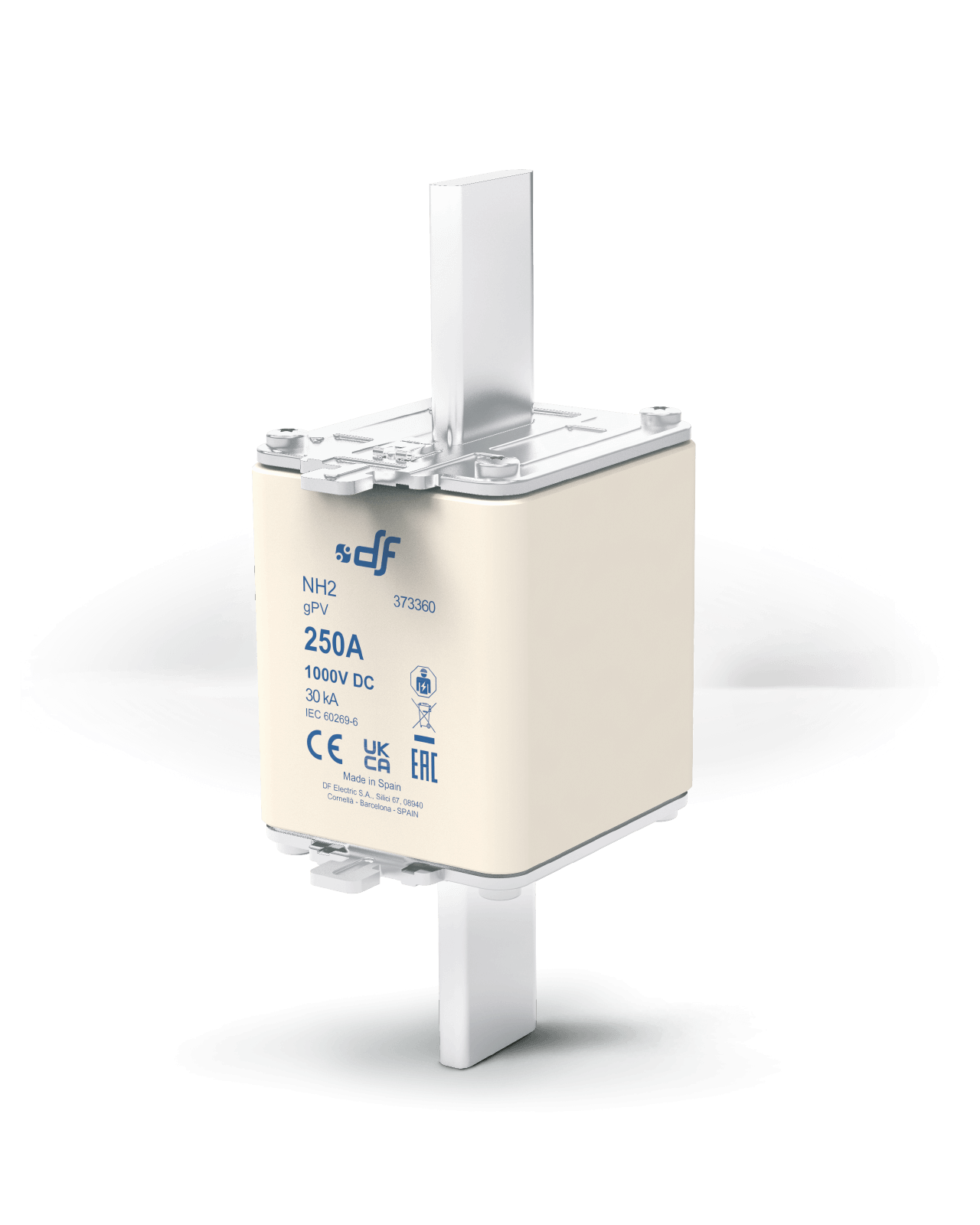
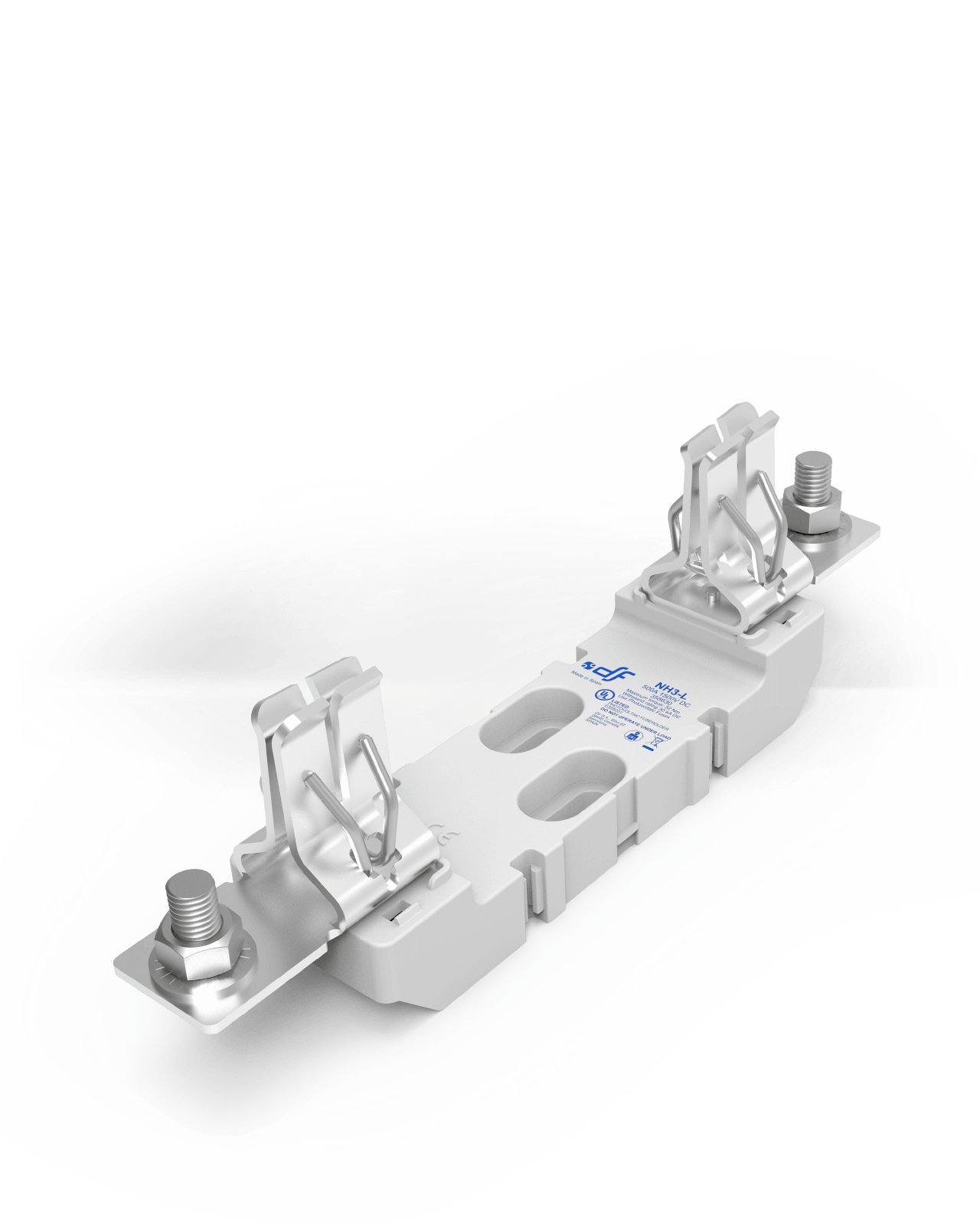
DF Electric develops a specific range of gPV fuses and fuse holders for photovoltaic applications, designed in accordance with IEC 60269-6 and adapted to real field operating conditions.
DF Electric’s PV protection solutions stand out for:
- gPV curves designed to protect cables, strings and inverters
- High DC breaking capacity
- Thermal stability in high-temperature environments
- Compatibility with string combiner boxes and transformer stations
This approach allows designers and installers to simplify system design, reduce failure risks and ensure maximum long-term availability of the installation.




“The growth of solar energy has forced a complete rethinking of classic protection criteria; today we are talking about solutions specifically conceived for DC and for extreme operating conditions.”
— Josep Durante. R&D Department
Energy storage systems (BESS): protection for a new energy frontier
Battery Energy Storage Systems (BESS) have become a fundamental pillar for renewable integration, demand management and grid stability. Their deployment in industrial environments, critical infrastructures and hybrid networks introduces new challenges in electrical protection.
Unlike other systems, BESS combine high energy densities, very high currents and dynamic electrical behavior, requiring highly specialized protection solutions, perfectly coordinated with battery management systems (BMS).

Specific challenges in BESS protection
- Extremely high short-circuit currents in very short timeframes
- Risk of thermal propagation in uncontrolled failure scenarios
- Need for modular and scalable protection
- Precise coordination between electrical protection and control electronics
DF Electric’s approach to storage protection
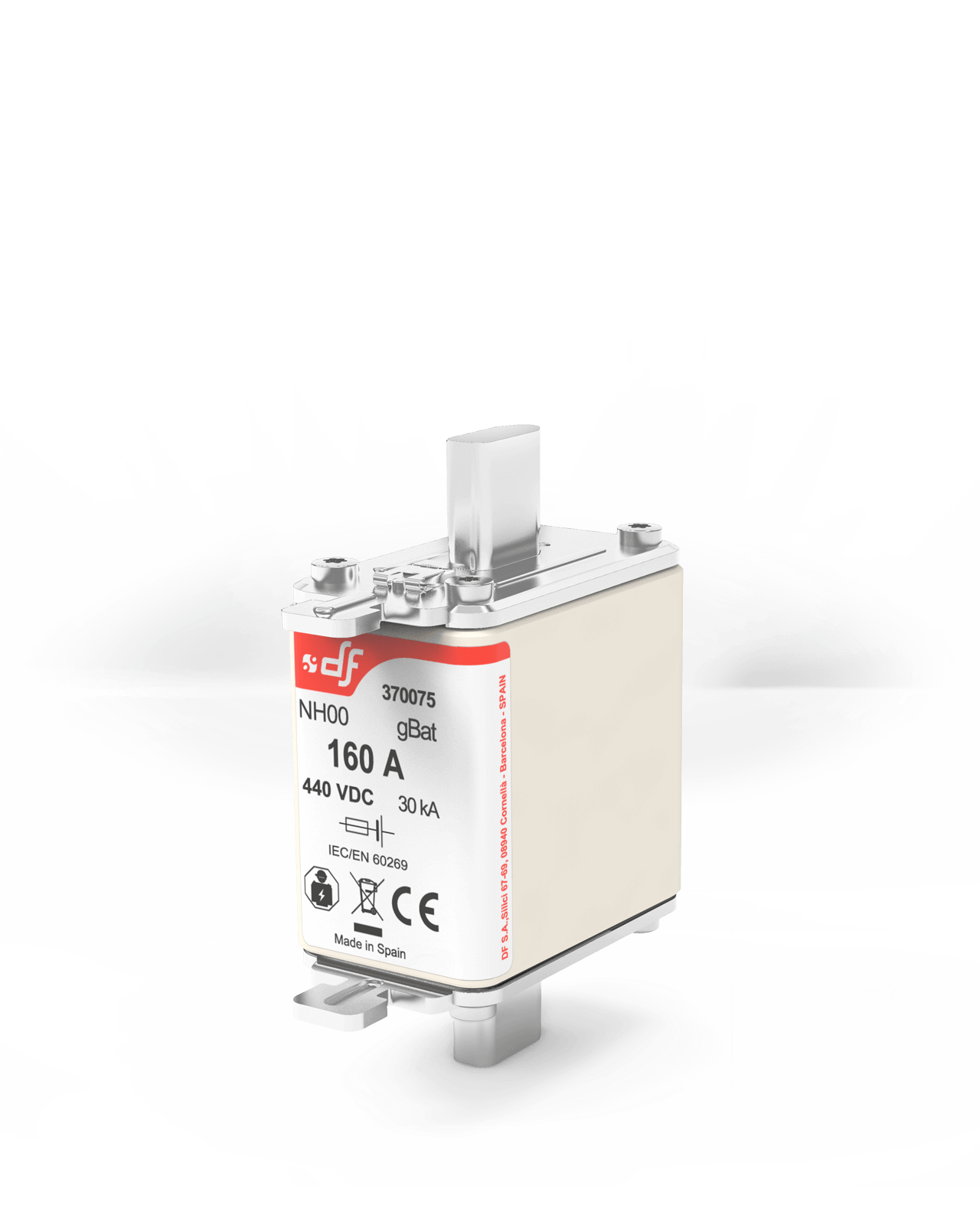
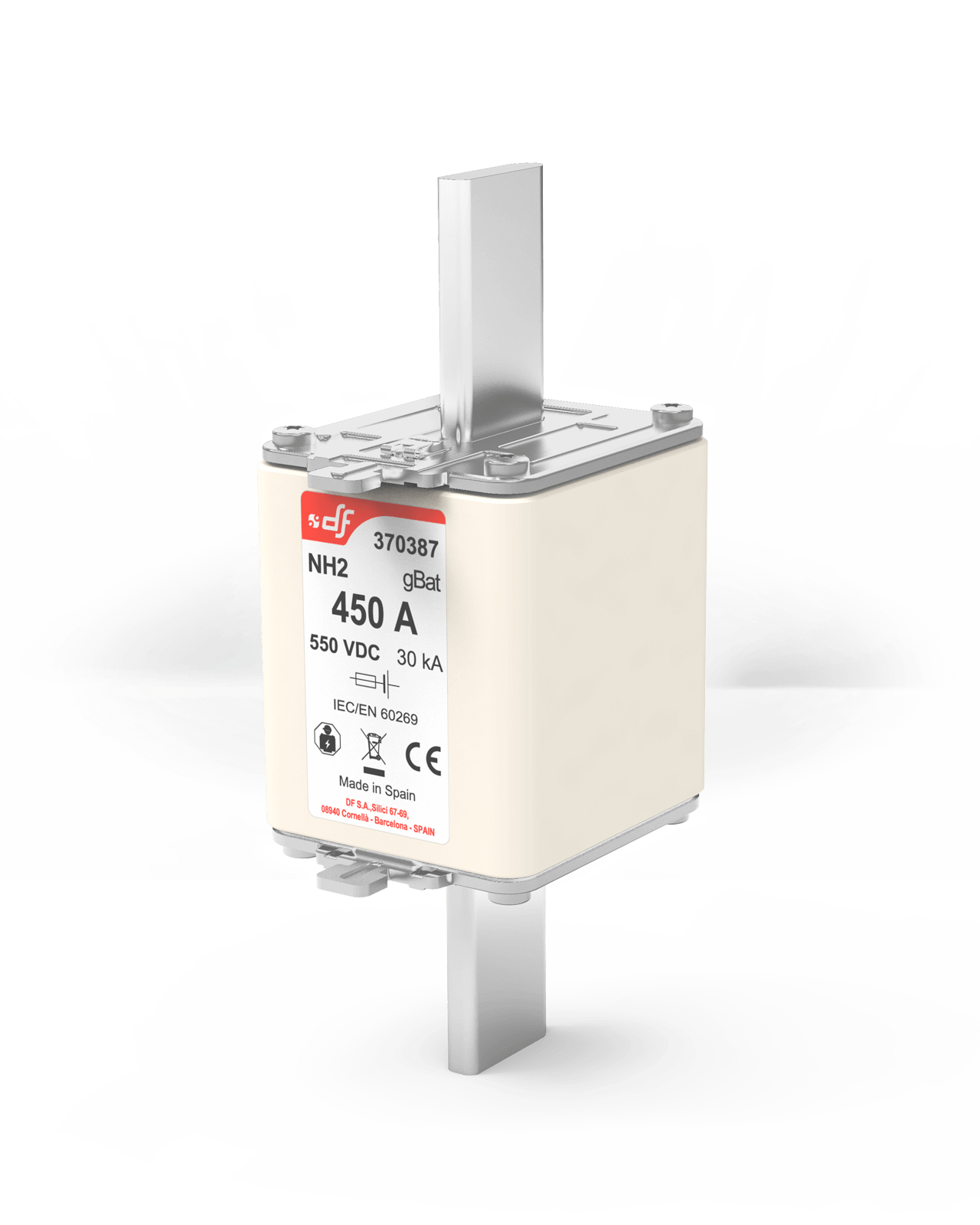
DF Electric provides protection solutions designed for DC energy storage architectures, with special focus on fast response and reliability in critical scenarios.
DF Electric’s BESS solutions offer:
- High breaking capacity for severe fault currents
- Optimized design for modular system integration
- Compliance with international energy storage standards
- Effective protection of batteries, converters and associated electronics
This approach enables the development of safe, scalable storage systems, ready for future growth without compromising protection or operational continuity.





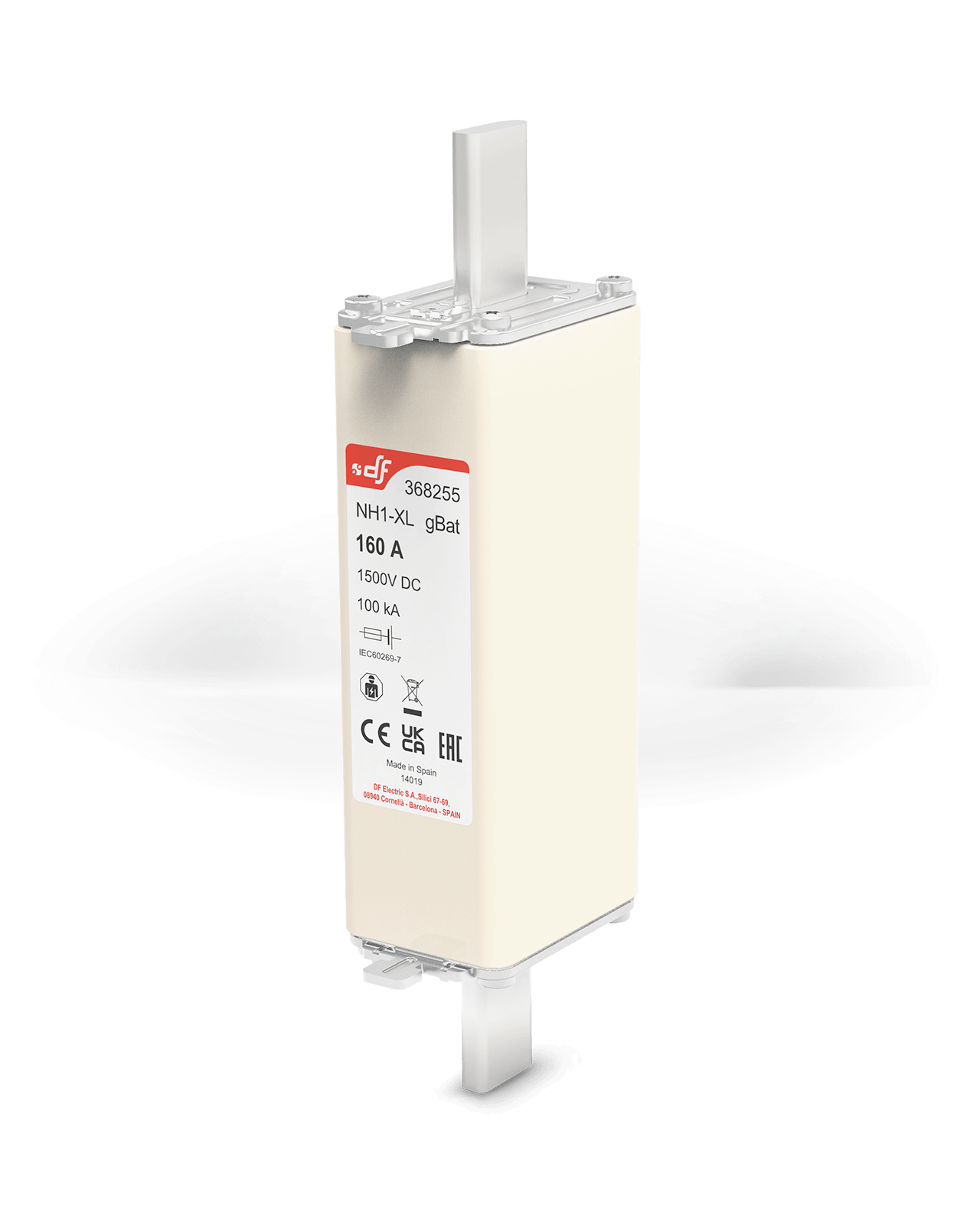
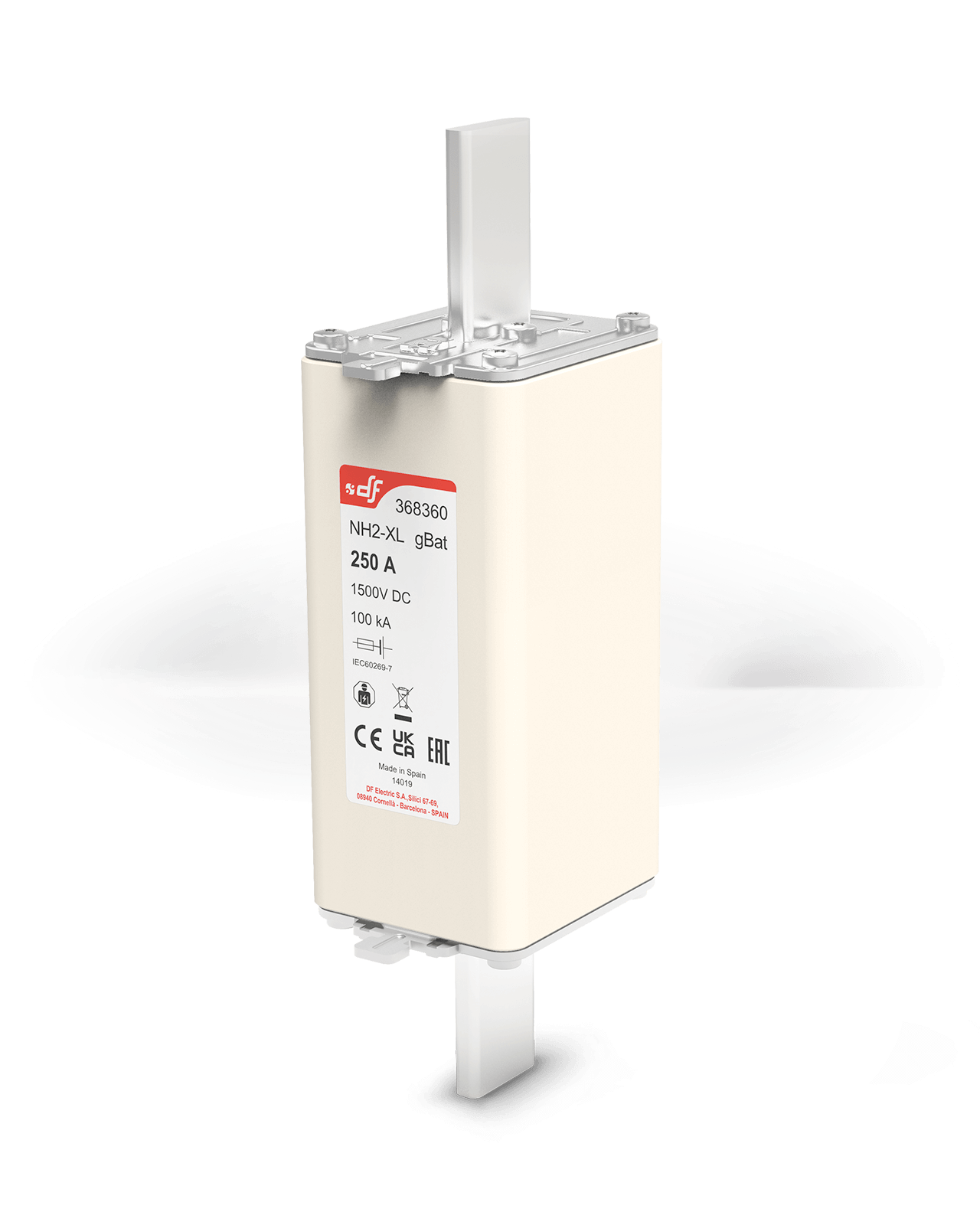
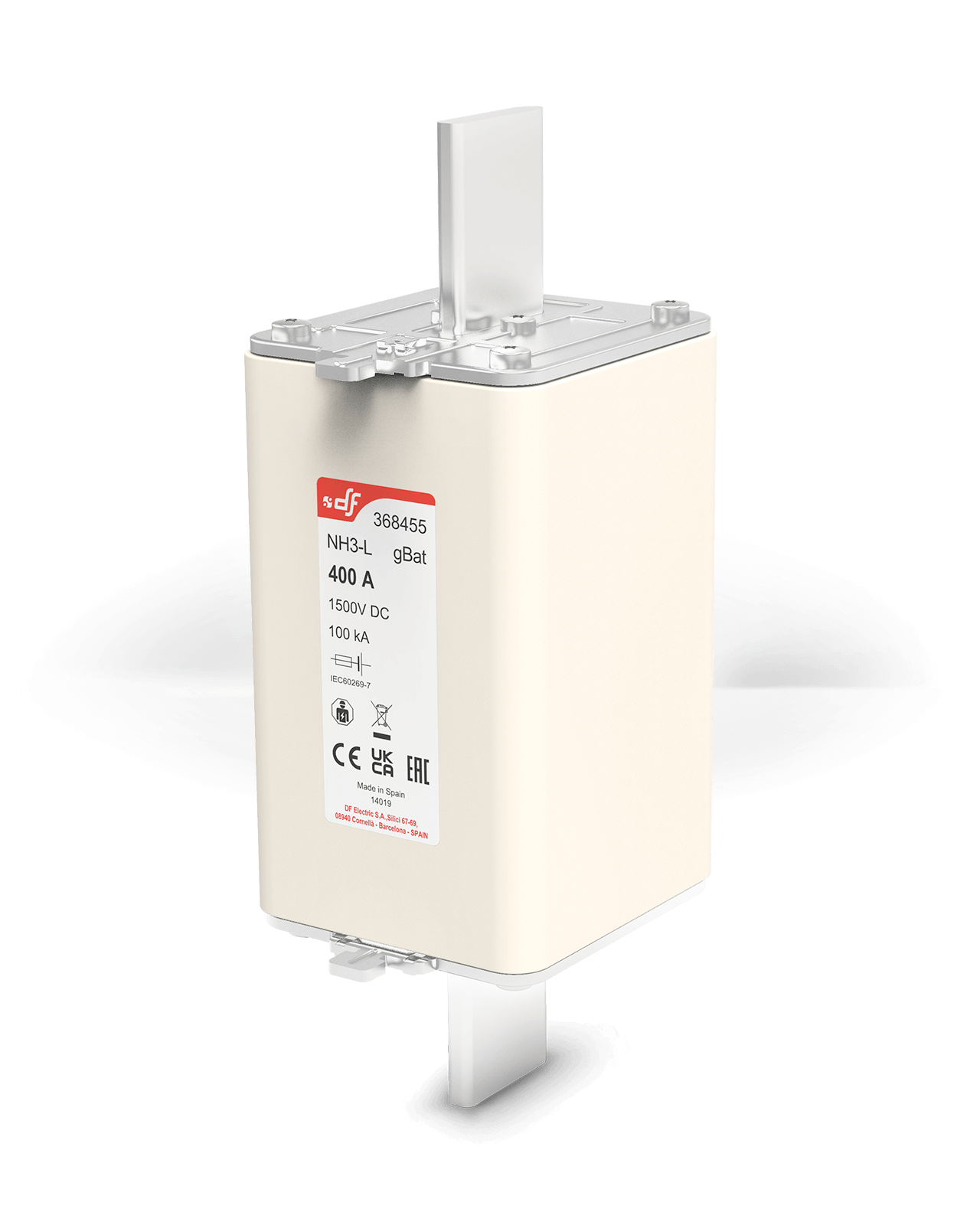

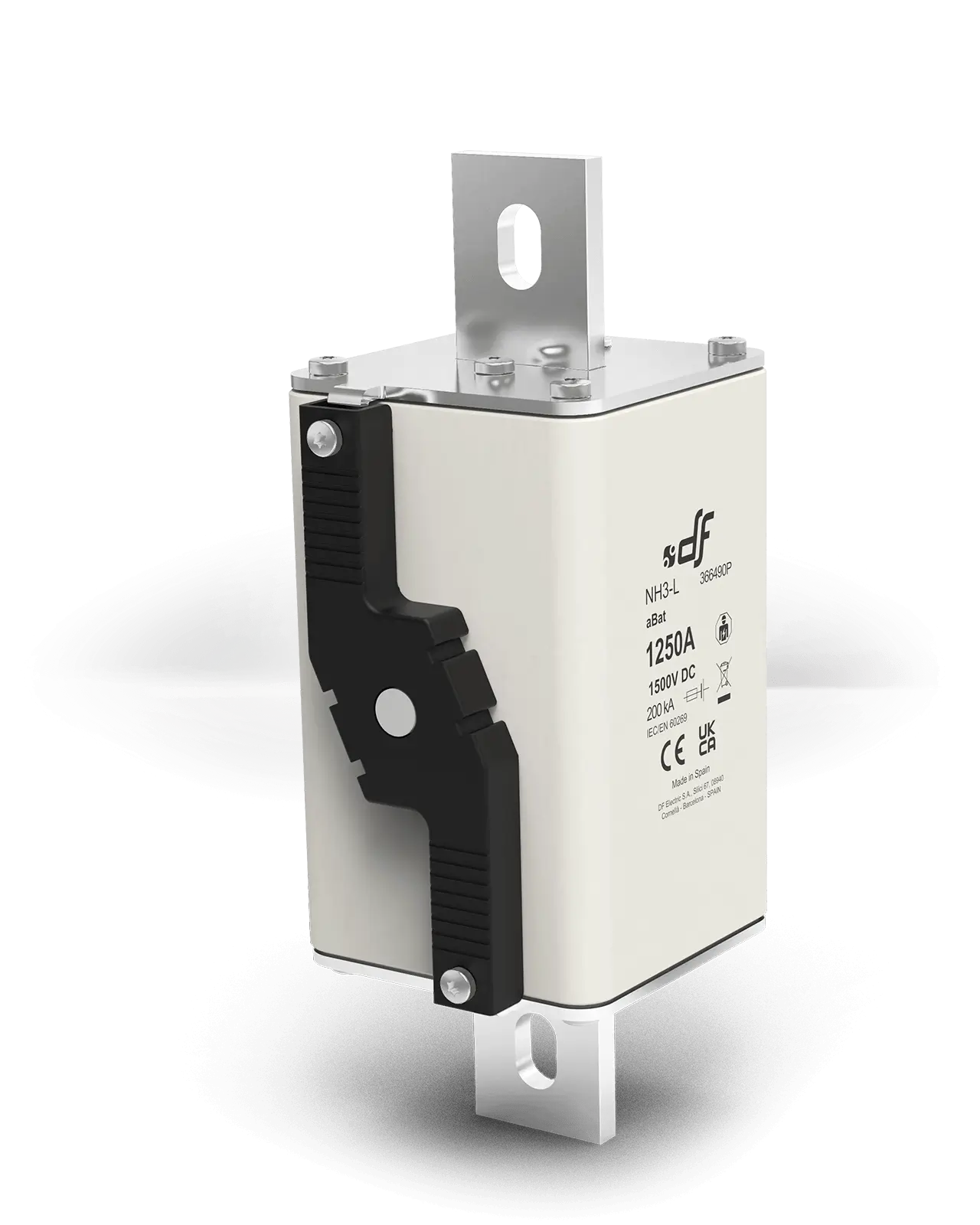
“Protecting energy storage systems does not allow for generic solutions; it requires a specific design aligned with the electrical and thermal behavior of batteries.”
— Miquel Perez. Laboratory Department
Towards continuous innovation in industrial electrical protection
Industrial electrical protection is evolving from a purely reactive approach towards an intelligent, specialized model designed for complex systems. The trends analyzed—DC protection, photovoltaic systems, energy storage, digitalization and sustainability—define a new design framework in which engineering plays a strategic role.
In a constantly transforming energy environment, innovation in industrial electrical protection not only ensures safety, but becomes a key enabler of efficiency, resilience and long-term industrial competitiveness.
Frequently Asked Questions (FAQ)Innovation in Electrical Protection
Innovation in electrical protection integrates advanced technologies such as smart sensors, remote monitoring systems, network communication, and predictive algorithms. These solutions anticipate failures, optimize equipment operation, and ensure high efficiency and reliability in residential, industrial, and utility installations. They also enable predictive maintenance and reduced operational costs.
Artificial intelligence (AI) transforms electrical protection systems by analyzing large volumes of real-time data, identifying failure patterns, and optimizing responses to critical events. This turns traditional systems into proactive systems that can prevent outages. It also supports integration with smart grids, enabling fast and precise decisions to ensure safety, service continuity, and energy efficiency.
Digital solutions continuously monitor the condition of electrical equipment and detect anomalies before they cause disruptions or damage. This includes monitoring voltage, current, and temperature, as well as automating alerts and reports. These tools allow maintenance teams to make data-driven decisions, reduce failure risks, and extend system life, enhancing overall reliability of the installation.
Photovoltaic protection is essential to ensure safety, service continuity, and energy efficiency in extreme environments, such as industrial solar plants. It safeguards critical components like inverters, DC switchboards, and monitoring systems against overcurrents, reverse currents, and severe thermal cycles. It also simplifies system design, reduces failure risks, and ensures maximum long-term availability, optimizing both investment and energy production.
Energy storage systems, such as large-capacity batteries, require specific protections to manage current spikes, overloads, and fault conditions without compromising safety or operational continuity. Proper electrical protection ensures efficient operation even under extreme loads, safeguards critical components like inverters and DC switchboards, and minimizes the risk of outages that could impact energy production or grid stability.
Key trends include the implementation of microgrids, integration of renewable energy, intelligent system monitoring, and adaptive network protection. These innovations aim to enhance infrastructure resilience, optimize energy efficiency, reduce operational costs, and ensure service continuity in increasingly complex environments. They also drive digitalization and predictive analytics as essential tools for modern energy management.
Advanced electrical protection: safety and reliability for your DC systems
Discover how protection specifically designed for direct current, photovoltaic installations and energy storage systems enhances safety, reduces operational risks and guarantees continuity in industrial installations and critical projects.